

Creating a wildflower area in your UK garden is a fantastic way to support biodiversity, attract pollinators, and add natural beauty to your space…
Wildflower areas in a garden not only look beautiful, they do wonderful things for wildlife too, providing a rich and diverse habitat that supports a variety of species.
Wildflowers themselves are a vital source of nectar and pollen for pollinators like bees, butterflies, and hoverflies. Different flowers bloom at different times, ensuring food availability throughout the growing season. Many wildflowers also produce seeds and berries, which are a valuable food source for birds, small mammals, and insects.
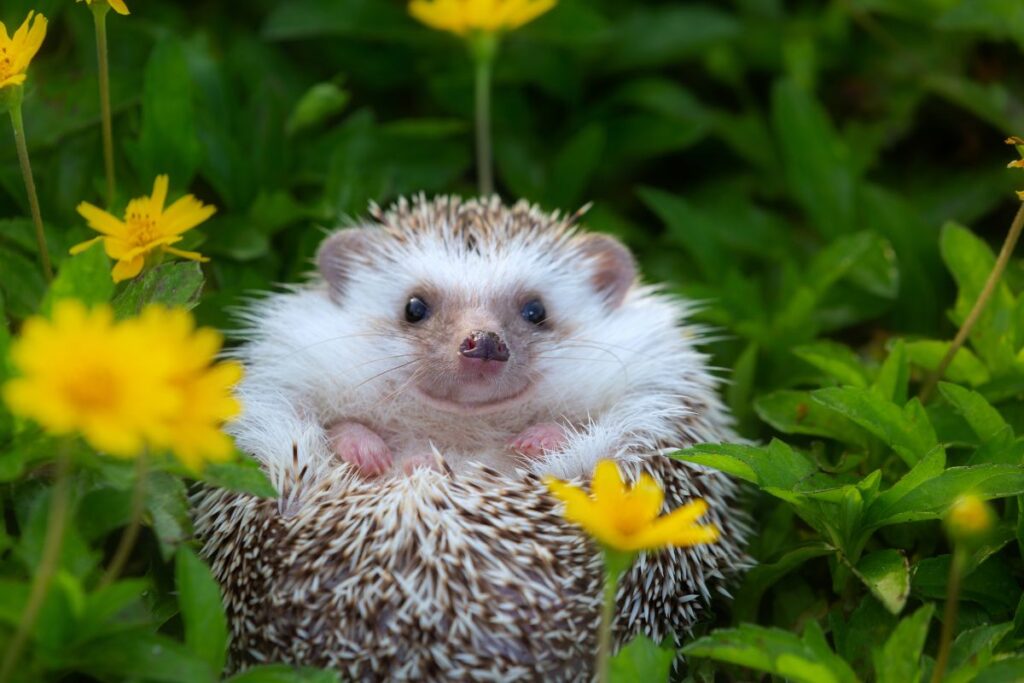
That ‘wild’ area in your garden also provides shelter. Insects like beetles, spiders, and solitary bees love dense vegetation and tall grasses and flowering plants provide cover for nesting birds and small mammals such as hedgehogs. Wildflower areas can also serve as hiding spots for frogs, toads, and lizards.
It’s not just the little creatures that benefit either. The wide range of insects that the variety of plants attracts in turn attracts predators, creating a balanced food web. Insects, like ladybugs and lacewings, thrive in wildflower areas and help control garden pests naturally. All in all, this diverse ecosystem supports everything, from soil microbes to larger predators like birds of prey.
The roots of wildflowers also improve soil structure and prevent erosion, supporting the beneficial fungi and microbes that are so crucial for healthy soil ecosystems in our gardens.
How to cultivate your wild flower space this summer…
Choose the Right Location
Sunlight: Most wildflowers thrive in sunny spots, so choose an area that gets at least 6 hours of sunlight daily.
Soil Type: Wildflowers prefer low-nutrient soil. Avoid overly fertile areas, as they can encourage vigorous grasses and weeds to outcompete the flowers.
Prepare the Ground
Clear Existing Vegetation: Remove any grass, weeds, or other plants from the area to create a blank slate. Use a spade, hoe, or non-residual herbicide if necessary.
Remove the Topsoil (Optional): If your soil is very fertile, consider removing a thin layer of topsoil to reduce nutrient levels.
Rake and Level: Break up large clumps of soil, remove stones, and rake the area flat to prepare it for seeding.
Choose Your Wildflower Mix
Opt for a mix of native UK wildflowers to support local wildlife. Annuals (e.g., cornflowers, poppies) provide instant colour but need re-sowing each year, while perennials (e.g. oxeye daisies, knapweed) may take longer to establish but return year after year. Try to choose blends tailored to specific conditions (e.g. shade, wet soils, or chalky ground).
Sowing your seeds
Sow seeds in early spring (March to May) or autumn (September to November), mixing them with fine sand to help distribute them evenly. Sow sparingly! Scatter the mixture thinly across the prepared area and be aware that overcrowding can lead to competition. When your seeds are sown, gently walk over the area, or use a roller to ensure good seed-to-soil contact. Avoid burying the seeds too deeply too.
Water and Maintain
Water lightly after sowing and during dry spells to encourage germination. Once established, wildflowers generally require minimal watering but you will want to remove any invasive weeds that might outcompete the wildflowers, especially in the early stages.
Add Features for Wildlife
It’s a good idea to add logs, stones, or water features nearby to create additional habitats for your new garden friends but try to avoid pesticides and herbicides to protect pollinators and beneficial insects.
Are you following us on social yet? Don’t forget to sign up to our monthly newsletter and follow our socials for more news and offers.
Follow us on Instagram @hildreths.garden.centre and on Facebook @Hildreths Garden Centre