
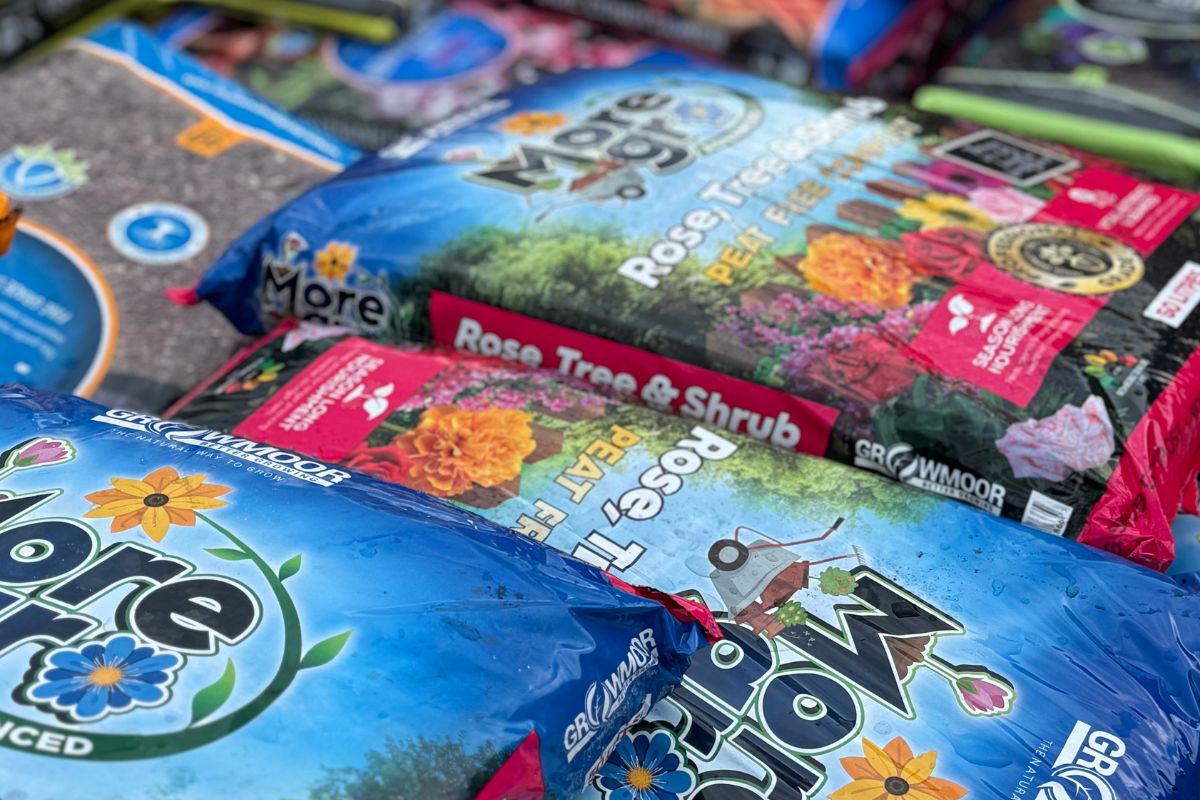
With it being Compost Week on the 10th March…yes, there is such a thing…we thought we’d put together our own guide to compost in case you’re wondering which one you should be using!
Compost is an essential ingredient for a thriving garden, helping to nourish plants, improve soil structure, and retain moisture. However, with so many different types available, choosing the right compost can be confusing. Whether you’re growing flowers, vegetables, or houseplants, selecting the best compost will make a significant difference in your plant’s health.
Multi-Purpose Compost
Multi-purpose compost is a versatile option suitable for a wide range of plants. It’s ideal for bedding plants, containers, and hanging baskets. Some varieties are peat-based, while others are peat-free, making it a more environmentally friendly choice. While it works well for many plants, it may not always have the specific nutrients required for plants with particular needs.
Peat-Free Compost
Peat-free compost is an environmentally sustainable option made from materials like bark, wood fibre, coir, and green waste. It has improved significantly in recent years and now provides an excellent alternative to peat-based products. Different brands may vary in quality, so it’s worth experimenting to find the best one for your plants.
Ericaceous Compost
This acidic compost is specially formulated for plants that dislike alkaline soils, such as rhododendrons, azaleas, camellias, and blueberries. It ensures that these acid-loving plants receive the correct pH balance to thrive.
Seed Compost
Designed for germinating seeds, this compost has a fine texture and lower nutrient content to promote strong root development without overwhelming young seedlings. Using seed compost rather than multi-purpose compost ensures better germination rates and healthier seedlings.
Potting Compost
Potting compost is specially formulated for plants grown in containers. It often contains added slow-release fertilisers and moisture-retaining materials to support long-term growth in pots and hanging baskets.
Manure and Soil Conditioners
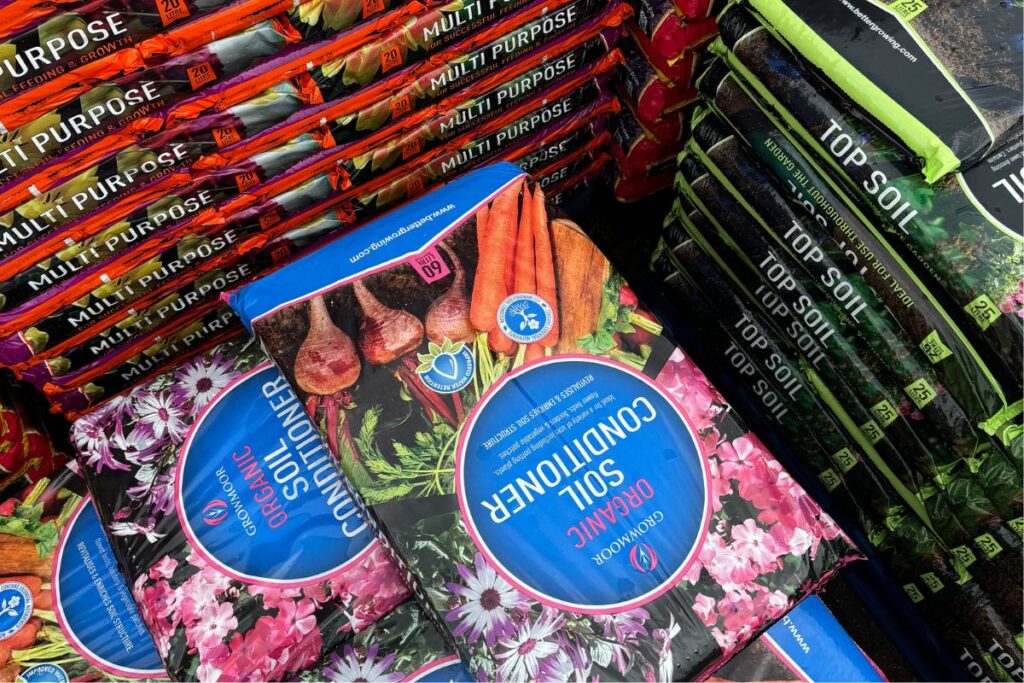
Well-rotted manure and organic soil conditioners improve soil structure and fertility. They are particularly beneficial for vegetable gardens, flower beds, and heavy clay soils, enriching the soil with nutrients and promoting healthy plant growth.
Mushroom Compost
A by-product of mushroom farming, this compost is rich in organic matter and great for improving soil structure. However, it tends to be alkaline, so it’s not suitable for acid-loving plants.
Peat-Based Compost
Although still available, peat-based compost is being phased out due to environmental concerns. It retains moisture well and provides good aeration, but many gardeners are now opting for peat-free alternatives.
Homemade Compost
Making your own compost is a sustainable and cost-effective way to recycle garden and kitchen waste. A well-balanced mix of greens (e.g., vegetable peelings, grass clippings) and browns (e.g., cardboard, dried leaves) creates nutrient-rich compost that benefits all types of garden plants.
Are you following us on social yet? Don’t forget to sign up to our monthly newsletter and follow our socials for more news and offers.
Follow us on Instagram @hildreths.garden.centre and on Facebook @Hildreths Garden Centre