
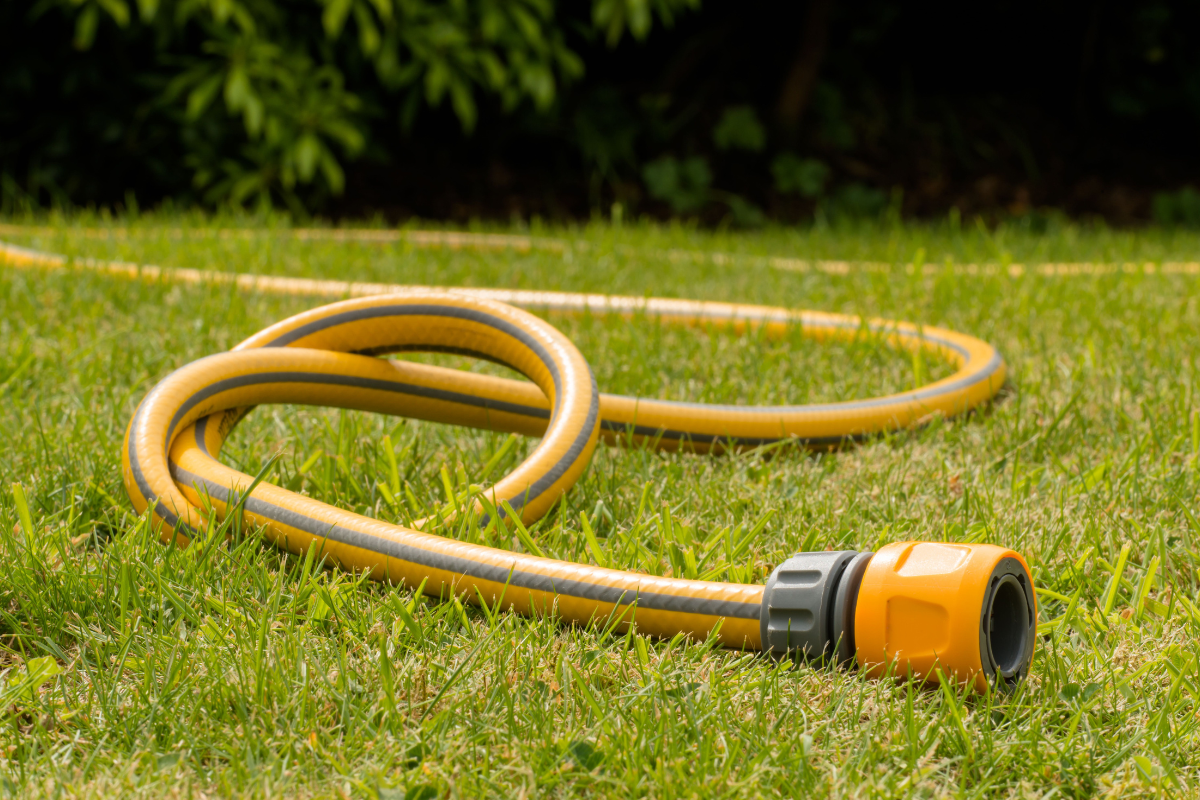
Keep your garden looking its best during or after a hosepipe ban with practical watering tips, mulching advice and drought-tolerant planting ideas from Hildreth’s Garden Centre.
A hosepipe ban doesn’t mean your garden has to suffer. With a few simple changes to the way you care for your plants, you can help them cope with hot, dry weather while using water responsibly.
The key is to make every drop count.
Water wisely
When water is in short supply, it’s not just about how much you use – it’s about when and where you use it.
Water plants early in the morning or later in the evening, when temperatures are cooler and less moisture is lost through evaporation. Always water at the base of the plant rather than over the leaves, allowing the water to soak down to the roots where it’s needed most.
Prioritise newly planted trees and shrubs, vegetables, containers and hanging baskets, as these dry out much more quickly than established plants in the ground.
Mulch to keep moisture in the soil
Applying a generous layer of mulch around your plants is one of the easiest ways to reduce watering.
Whether you choose bark, compost or another organic mulch, it acts like a protective blanket over the soil by:
- Reducing evaporation
- Keeping roots cooler
- Suppressing weeds that compete for water
- Improving soil health as it breaks down
It’s a simple job that can make a noticeable difference during prolonged dry spells.
Help containers stay cooler
Plants growing in pots and hanging baskets are often the first to show signs of drought stress.
Grouping containers together creates a slightly more humid environment, helping them lose moisture more slowly. If possible, move pots into light shade during the hottest part of the day to reduce the impact of intense sunshine.
These small changes can significantly reduce how often they need watering.
Make every drop count
If you’ve installed a water butt, now’s the perfect time to put it to work. Collecting rainwater whenever it falls provides a free, sustainable supply that’s ideal for watering your garden.
Even if rainfall has been limited, it’s worth thinking ahead. Installing a water butt now means you’ll be ready to capture future showers and reduce your reliance on mains water.
You can also reuse household water where appropriate, such as cooled cooking water (without salt) or water used to rinse fruit and vegetables.
If you’re planning to add new plants to your garden this summer or autumn, consider varieties that naturally cope well with dry conditions.
Choose plants that can cope
Many Mediterranean and drought-tolerant plants thrive in sunny spots while requiring far less watering once established. Lavender, salvias, sedums, verbena, ornamental grasses and many herb varieties all provide long-lasting colour with relatively little maintenance.
Our team can help you choose late summer plants that will help keep your garden blooming.
Are you following us on social yet? Catch more news and tips there! And don’t forget to sign up to our monthly newsletter and follow our socials for more news and offers.
Follow us on Instagram @hildreths.garden.centre on Facebook @Hildreths Garden Centre and TikTok @hildreths.gc
Shop our BBQs and premium garden furniture online at www.garden-space.co.uk
If you have time, please leave us a Google Review here. We’re independent and family-run so we’d really appreciate it.