
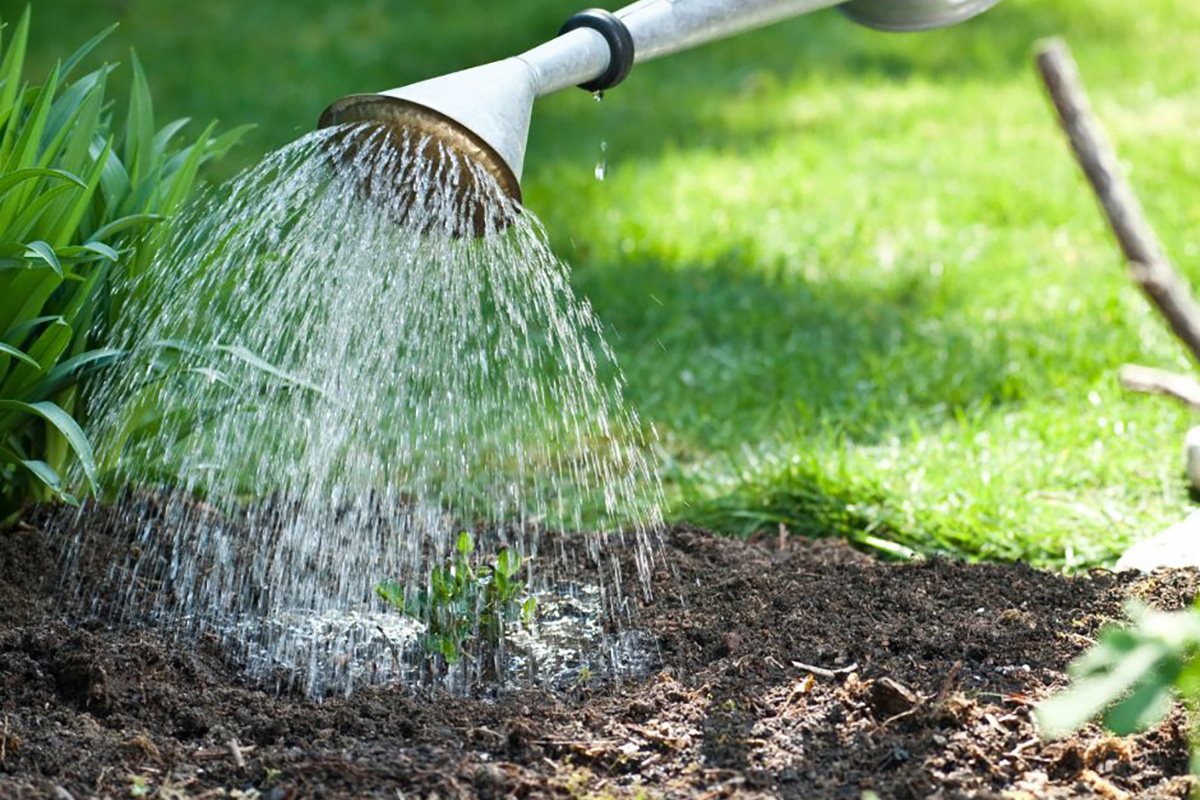
We’ve waited long enough for some sunny weather and now it’s here, but do you need to heatproof your garden? According to the weather forecast for Prestwood and our surrounding area, it’s staying hot for a little while longer. Fantastic news for sun lovers (and bathers) but if you have been tirelessly tending your beloved garden all year round, the prospect of watching it wilt, curl and crisp is horrifying.
So, how to heatproof your garden and green spaces now and in the future? We’ve got a few basic tips:
1. Choose plants that can cope!
Mediterranean-style plants that tend to be naturally drought-tolerant are safe bet. This includes evergreens and plants like lavender and rosemary.
2. Get mulching…
Applying a thick layer of organic mulch (e.g., wood chips, straw, or compost) around the base of plants can help to retain moisture and regulate soil temperature when things heat up. It also helps reduce weed growth, which is a bonus.
3. Water properly
Water your garden really properly, making sure that the soil is moistened all the way down to the roots. This encourages them to grow deeper, making plants more resilient during dry spells. Watering early in the morning or late in the evening also helps minimise evaporation.
4. Build some shade
Shade cloths or garden netting can provide temporary shade for your most sensitive plants during the hottest parts of the day, often reducing temperatures by several degrees.
5. Plant Strategically!
Plant taller plants or small trees so they create natural shade for your more delicate plants underneath. Shade-loving plants can be planted in these cooler, shaded areas.


6. Take care of your soil
Incorporating compost into your soil can improve its ability to retain moisture. Healthy, well-structured soil retains water better and supports plant resilience. Ask our team which kind you need.
7. Choose the right pots and containers (we have LOADS!)
Larger pots retain moisture better than small ones, reducing the number of times you need to water Grouping pots together can also create a microclimate that helps reduce evaporation.
8. Check ups!
Monitor your plants regularly during hot weather for signs of stress such as wilting, yellowing, or scorched leaves, then adjust your watering schedule and shade protection as needed.
9. Use a Weather App
Keep an eye on weather forecasts to anticipate heatwaves and take pre-emptive action to protect your beloved garden.
10. Don’t neglect the lawn
Allow your grass to go dormant in hot weather, watering it deeply every few weeks to keep the roots alive. It will green up again when cooler weather returns. Try to mow less frequently and keep your lawn mower at a higher setting to keep grass longer. Longer grass shades the soil and reduces evaporation.