
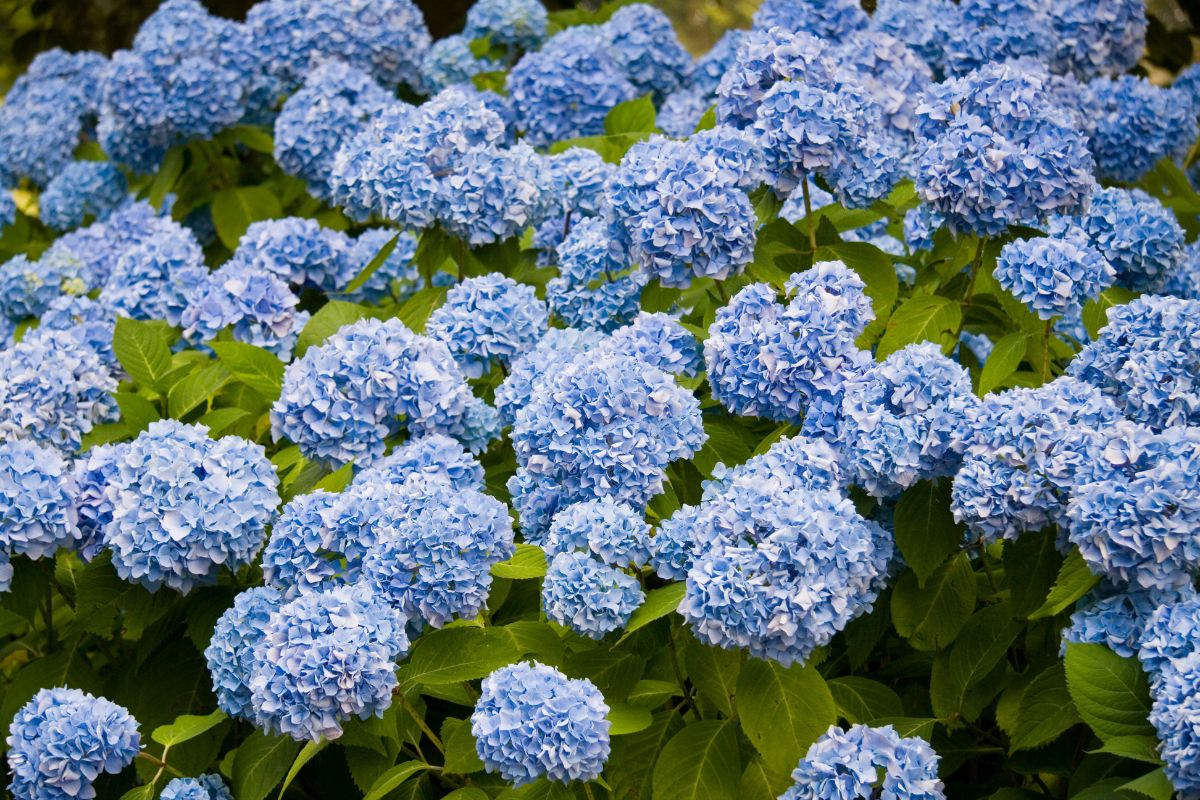
Hydrangeas are a popular choice for gardens in the UK thanks to their stunning blooms and versatility. While hydrangeas are relatively low-maintenance, proper pruning is essential to maintain their health and ensure they produce beautiful flowers year after year.
The timing of your hydrangea pruning largely depends on the variety of hydrangea you have. In the UK, hydrangeas are typically pruned in late winter or early spring, just before the new growth starts. This is usually around March, but be sure to avoid pruning during frost or wet weather, as this could damage the plant.
Pruning hydrangeas has several benefits. The key one is that it a good prune encourages healthy growth. Removing dead or damaged wood promotes stronger, healthier stems and blooms. Cutting back correctly also ensures the plant’s energy is directed toward producing new flowers rather than sustaining old growth. Pruning also helps control the size and shape of the plant, making it easier to fit into your garden design.
Now that you know when to prune, here are the key steps to follow:
Get the right tools: Make sure you have a pair of sharp pruning shears or secateurs. A clean cut will prevent damage and disease. For larger stems, use pruning saws or loppers.
Start by removing dead or damaged wood: Begin by removing any dead, damaged, or diseased wood. Look for stems that are brown or brittle, and cut them back to the base of the plant.
Cut back the remaining stems: For hydrangeas that bloom on old wood (e.g., macrophylla and oakleaf), avoid cutting back too much of the healthy growth. For varieties that bloom on new wood (e.g., paniculata and arborescens), feel free to cut the plant back by about a third to encourage new growth.
Dispose of Pruned Material: Dispose of any pruned material, especially if it’s diseased, to prevent any potential spread of pests or diseases.
Additional hydrangea care tips
After pruning, there are a few things you can do to ensure your hydrangeas thrive:
Mulch: Apply a layer of mulch around the base of the plant to help retain moisture and protect the roots from frost.
Feed: Hydrangeas appreciate a boost of nutrients, so apply a balanced fertiliser in the spring to support healthy growth.
Watering: Keep the soil moist but well-drained, especially during dry spells in the summer. Hydrangeas are thirsty plants and need consistent watering to perform well.
In case you’re not following us already, you’ll find us here: Instagram @hildreths.garden.centre and on Facebook @Hildreths Garden Centre.
And don’t forget to sign up to our monthly newsletter for more news and offers!