
Stinging nettles are one of the most common and persistent weeds in UK gardens but they also play an important ecological role. So, before you reach for the gloves and spade, let’s look at how to control them safely.
Nettles thrive in nitrogen-rich soils, especially in neglected corners of the garden or compost heaps. They spread through both seeds and underground rhizomes, making them tricky to eliminate once established. So, should you get rid of them completely? Not necessarily. While they may seem like nothing more than a nuisance, nettles are actually a sign that your garden is thriving
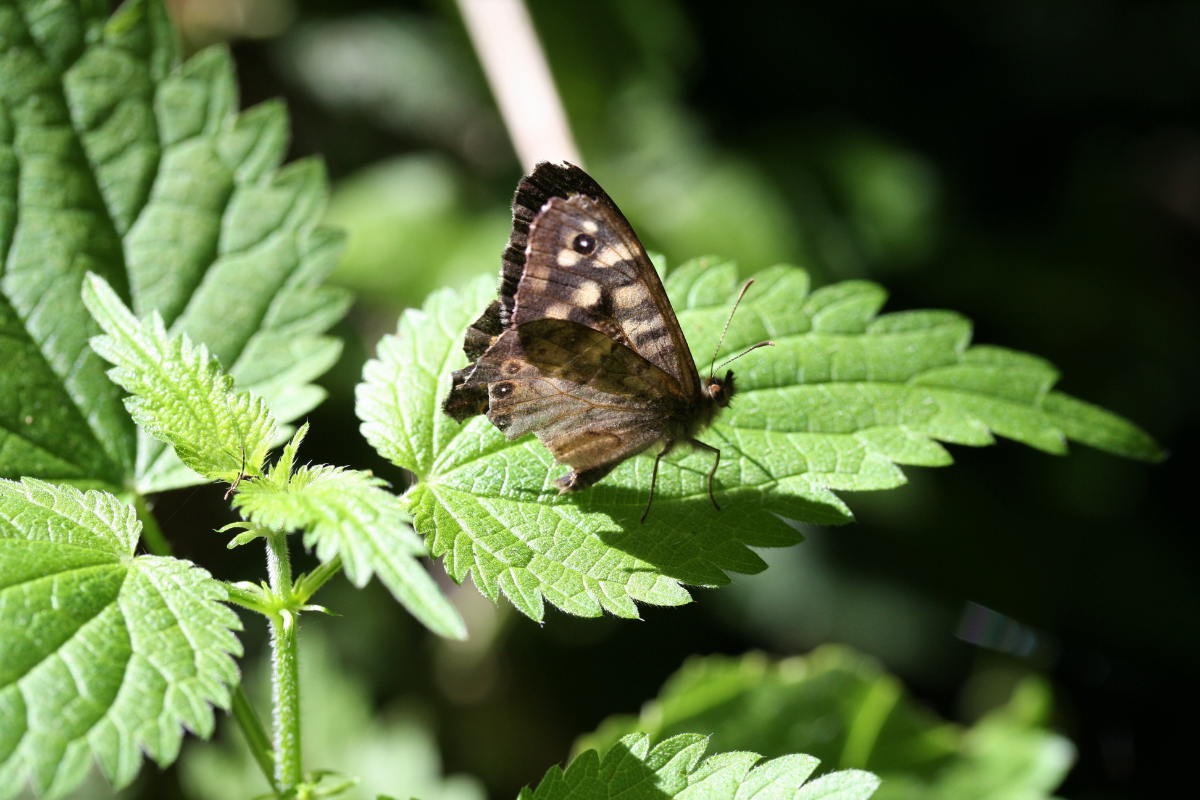
While nettles can quickly get out of control, they’re also a vital food source for butterflies, ladybirds, and other pollinators. The Small Tortoiseshell, Red Admiral, and Peacock butterflies all lay their eggs on nettle leaves, and the plants provide food for their caterpillars.
Consider keeping a small patch of nettles in a wild corner of your garden, away from borders and children’s play areas. This allows insects to benefit while keeping your main garden space clear and safe.
How to remove nettles without harming other plants
If you do want to get rid of nettles – or at least control their spread – here are some eco-friendly, plant-safe methods:
Manual removal (Best for small patches)
- Wear thick gloves, long sleeves, and trousers to avoid stings.
- Use a garden fork or spade to loosen the soil and pull up the entire plant, including the roots.
- Be sure to remove as much of the rhizome root system as possible, or the nettles will regrow.
- Don’t compost the roots—they can survive and spread in your compost heap.
Smothering (ideal for larger or isolated areas)
- Cover the patch with thick black plastic, cardboard, or old carpet for at least 6–8 weeks.
- This deprives the nettles of light and kills the roots.
- Works best during spring and summer when plants are actively growing.
Regular cutting
- Repeated cutting or strimming nettles down to the ground weakens the roots over time.
- This doesn’t remove them instantly but can gradually exhaust the plant, especially if done consistently every 2–3 weeks.
4. Avoid chemical weedkillers
- Glyphosate-based weedkillers are effective on nettles but can harm other plants and wildlife.
- If you must use a weedkiller, opt for an organic or selective formula, and apply carefully with a brush or spray shield to avoid nearby flowers and shrubs.
Tips for long-term control
- Mulch borders with bark or compost to suppress new nettle growth.
- Keep your garden well-maintained to avoid the nutrient-rich, undisturbed soil nettles love.
- If you have a compost heap, manage it properly—nettles can be added, but only once dried or wilted and root-free.
Are you following us on social yet? Don’t forget to sign up to our monthly newsletter and follow our socials for more news and offers.
Follow us on Instagram @hildreths.garden.centre on Facebook @Hildreths Garden Centre and TikTok @hildreths.gc
If you have time, please leave us a Google Review here. We’re independent and family-run so we’d really appreciate it.