
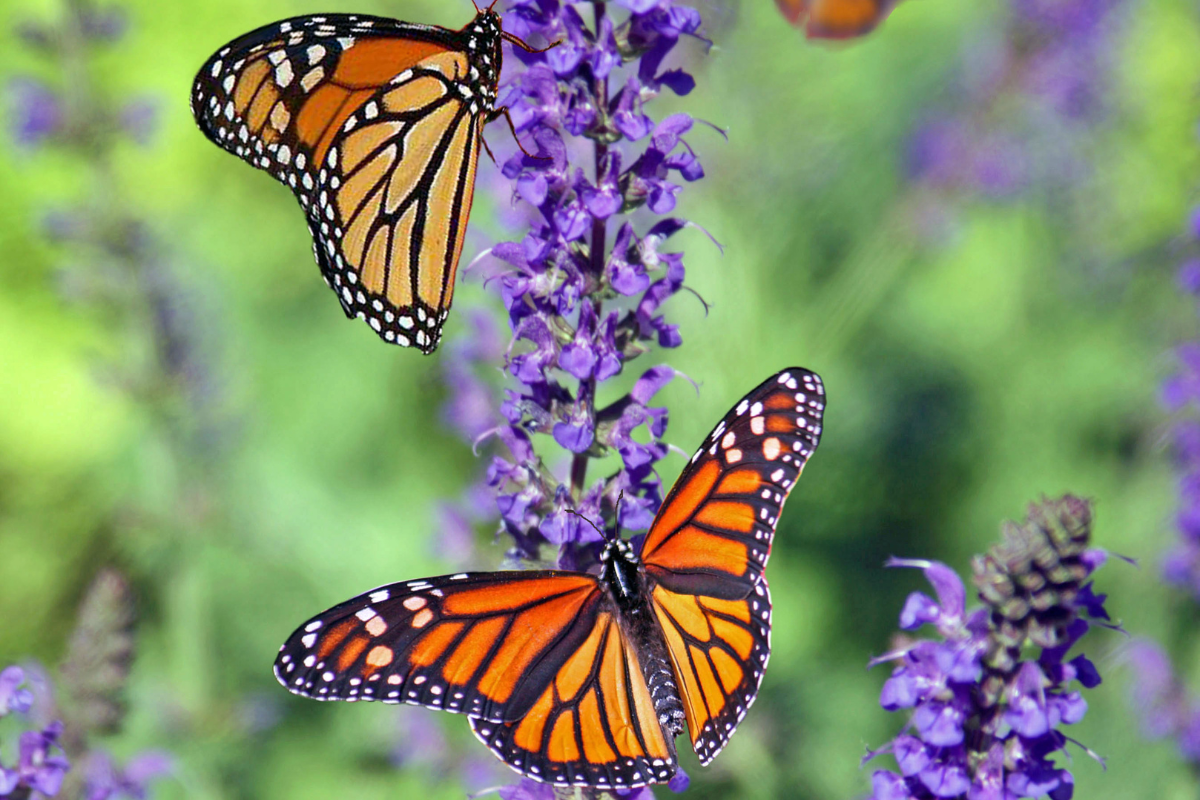
Butterfly numbers have soared this summer. Discover why we’re seeing more butterflies across the UK and how you can make your garden a haven for them.
If you’ve noticed more butterflies fluttering through your garden this summer, you’re certainly not imagining it.
Experts are predicting a bumper butterfly season across the UK, with many species benefiting from the warm, dry spring and early summer. The favourable conditions have allowed butterflies to emerge earlier, find mates more easily and produce the next generation in greater numbers.
For gardeners, it’s a wonderful reminder of just how important our gardens are. Even a modest outdoor space can provide food, shelter and breeding habitat for these much-loved pollinators.
Why are there more butterflies this year?
Butterflies rely on warm, sunny weather. Unlike mammals and birds, they are cold-blooded, meaning they need warmth from the sun to fly, feed and reproduce.
This year’s warm, dry weather has created ideal conditions for many species, leading conservation experts to predict one of the best butterfly summers in recent years. Some butterflies are even being spotted outside their usual ranges as favourable conditions encourage them to spread further afield.
While this is fantastic news, it’s important to remember that many butterfly species have experienced significant long-term declines due to habitat loss and changing landscapes. One good summer doesn’t undo decades of pressure, making wildlife-friendly gardens more valuable than ever.
How your garden can help
Creating a butterfly-friendly garden doesn’t mean leaving everything to grow wild. A few thoughtful planting choices can make a remarkable difference.
Plant nectar-rich flowers
Butterflies need a reliable source of nectar from spring through to autumn. Some of the best plants include:
- Lavender
- Buddleja (the Butterfly Bush)
- Verbena bonariensis
- Sedums
- Echinacea
- Salvias
- Scabious
- Cosmos
Planting a variety of flowers with different flowering times ensures butterflies have something to feed on throughout the season.
Let part of your garden grow naturally
Butterflies don’t just need flowers – they also need places to breed.
Leaving a small patch of longer grass, allowing native wildflowers to flourish or creating a more natural corner provides valuable habitat for butterflies to lay eggs and for caterpillars to develop.
As conservationists have highlighted, creating a patchwork of wildlife-friendly gardens across the UK can have a real impact on butterfly populations.
Avoid pesticides wherever possible
Many insecticides don’t distinguish between pests and beneficial insects.
Reducing pesticide use allows butterflies, caterpillars and other important pollinators to thrive naturally, helping to create a healthier garden ecosystem. We sell plenty of wildlife-kind options at Hildreth’s
Provide sunshine and shelter
Butterflies love warm, sheltered spots where they can bask in the sunshine.
Planting shrubs, hedges or climbers can provide protection from strong winds while creating sunny pockets where butterflies can rest and feed.
Get involved in the Big Butterfly Count
One of the easiest ways to support butterfly conservation is simply by taking part in the annual Big Butterfly Count.
Spend just 15 minutes watching butterflies in your garden or local green space and record what you see. The results help scientists monitor butterfly populations across the UK and build a clearer picture of how our wildlife is changing.
Are you following us on social yet? Catch more news and tips there! And don’t forget to sign up to our monthly newsletter and follow our socials for more news and offers.
Follow us on Instagram @hildreths.garden.centre on Facebook @Hildreths Garden Centre and TikTok @hildreths.gc
Shop our BBQs and premium garden furniture online at www.garden-space.co.uk
If you have time, please leave us a Google Review here. We’re independent and family-run so we’d really appreciate it.