
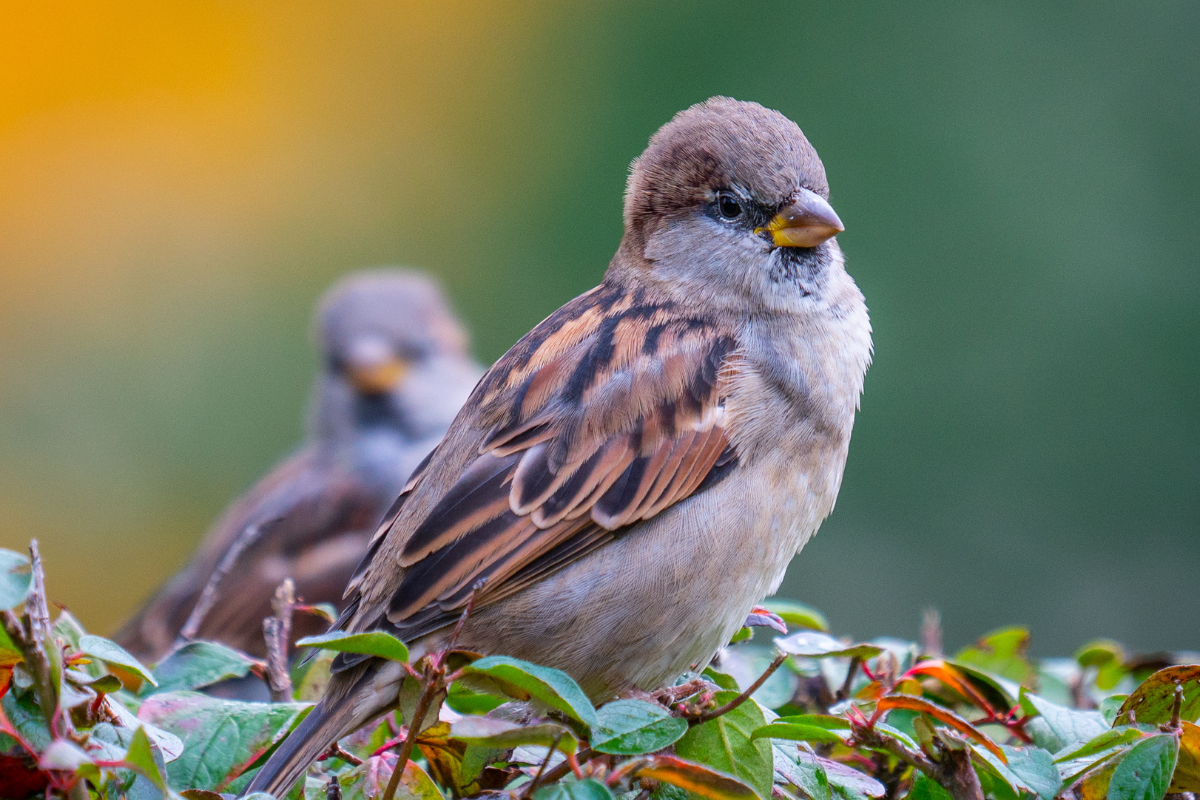
Keep your garden alive in winter while helping birds, bees, and wildlife thrive. We’ve compiled you a plant shopping list for the New Year!
Winter can be a challenging time for wildlife. With colder temperatures, shorter days, and fewer food sources, birds, insects, and small mammals need extra help to survive until spring. The good news is that your garden can play a vital role. By choosing winter-friendly plants, you can create a sanctuary for wildlife while keeping your garden vibrant and interesting during the colder months.
If you pop by Hildreth’s Hardware we can sort you out with bird tables, feeders, seeds and suet balls, no problem. But if you want your garden to become a longer-term haven for wildlife, there are some plants that will provide the perfect foundation.
Why Winter-friendly plants matter
Many of the flowers, shrubs, and trees we enjoy in spring and summer also provide crucial resources for wildlife in winter. Birds need berries for energy, insects need shelter and nectar sources, and small mammals need dense planting to hide from predators. By planting strategically, you can support these creatures while creating a garden that stays alive and beautiful even in January and February.
Top Winter-friendly plants for wildlife
Winterberry (Ilex verticillata)
This deciduous holly produces bright red berries that last well into winter, offering a vital food source for birds such as thrushes and robins.
Cotoneaster
These hardy shrubs carry small berries that attract a variety of birds. They also provide shelter in dense foliage.
Mahonia
A tough, evergreen shrub with spiky leaves, Mahonia flowers in late winter, offering early nectar for pollinators like bees.
Viburnum tinus
Viburnum tinus is evergreen and produces clusters of small flowers and dark berries that many birds rely on. It’s also great for creating structure and cover in your garden.
Hellebores
Also known as the Christmas rose, hellebores bloom in winter and early spring. Their flowers provide nectar for early-emerging insects.
Ivy (Hedera helix)
Often overlooked, ivy is a lifeline in winter. Its dense evergreen foliage offers shelter, and its late-season flowers provide nectar for bees and other pollinators.
Extra tips to support wildlife in Winter
- Leave seed heads and stems: Instead of tidying every plant away, leave some seed heads from summer plants to feed birds.
- Add water sources: Even a small bird bath or shallow dish with fresh water can be a lifeline.
- Create shelter: Dense shrubs, evergreen hedges, or even a simple pile of logs can offer protection for small mammals and insects.
By planting winter-friendly species and thinking about habitat, your garden can become a thriving refuge for wildlife during the coldest months. Not only will you be supporting nature, but you’ll also enjoy a garden that has interest and life all year round.
Are you following us on social yet? Don’t forget to sign up to our monthly newsletter and follow our socials for more news and offers.
Follow us on Instagram @hildreths.garden.centre on Facebook @Hildreths Garden Centre and TikTok @hildreths.gc
Join our Garden Club for 10% off your garden essentials! (Ts &Cs apply)
If you have time, please leave us a Google Review here. We’re independent and family-run so we’d really appreciate it.