

As the days grow longer and the first signs of spring emerge, the UK’s wild birds begin their annual nesting season. Whether you’re a birdwatching enthusiast or simply keen to support local wildlife, understanding this season can help you play a role in conservation efforts.
In the UK, bird nesting season typically runs from early March to late August, with peak activity occurring between April and June. Some species, such as robins and blackbirds, may begin nesting as early as January if the weather is mild, while others, like swallows and house martins, return from migration to start nesting in late spring.
Look out for birds carrying twigs, moss, or feathers, as these are signs of nest-building. Once eggs have hatched, you may see adult birds making frequent trips to a nest site, bringing food for their young.
The UK is home to a wide variety of nesting birds, including:
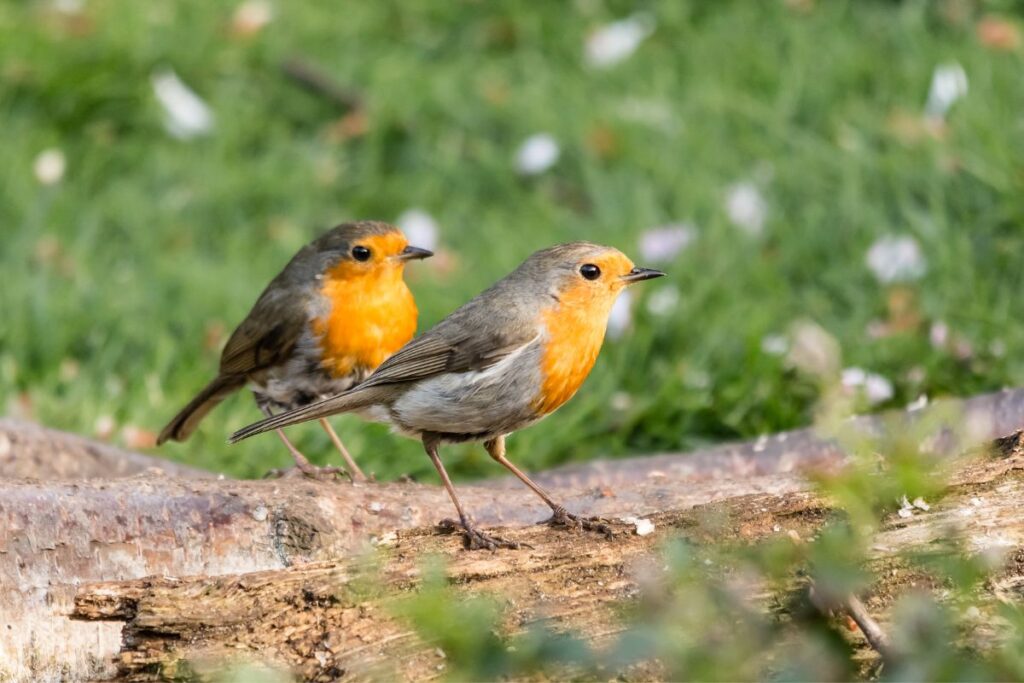
Robins – Often among the earliest nesters, preferring dense hedgerows and gardens.
Blackbirds – Known for building cup-shaped nests in shrubs and trees.
Blue Tits – Regular users of nest boxes, commonly found in woodland and gardens.
Sparrows – House and tree sparrows often nest in crevices and roof spaces.
Swallows & Swifts – Migratory birds that return from Africa to nest in barns and under eaves.
How to Support Nesting Birds
Provide Nesting Materials
Leaving out natural materials such as dry grass, moss, and pet hair can help birds construct their nests.
Install Nest Boxes
Many species, such as blue tits and sparrows, will readily use nest boxes. Ensure these are positioned away from direct sunlight and predators.
Maintain a Bird-Friendly Garden
Planting native trees, hedgerows, and flowers provides natural nesting sites and food sources.
Reduce Disturbance
Avoid trimming hedges or cutting down trees during the nesting season, as this can destroy active nests and disturb breeding birds.
Keep Cats Indoors
Domestic cats are one of the biggest threats to nesting birds. Keeping cats indoors, especially at dawn and dusk, can protect vulnerable chicks.
Did you know?
Under the Wildlife and Countryside Act 1981, it is illegal to disturb or destroy an active bird nest. This means that any tree-felling, hedge-cutting, or construction work that may impact nesting birds should be postponed until the season has ended.
Are you following us on social yet? Don’t forget to sign up to our monthly newsletter and follow our socials for more news and offers.
Follow us on Instagram @hildreths.garden.centre and on Facebook @Hildreths Garden Centre