
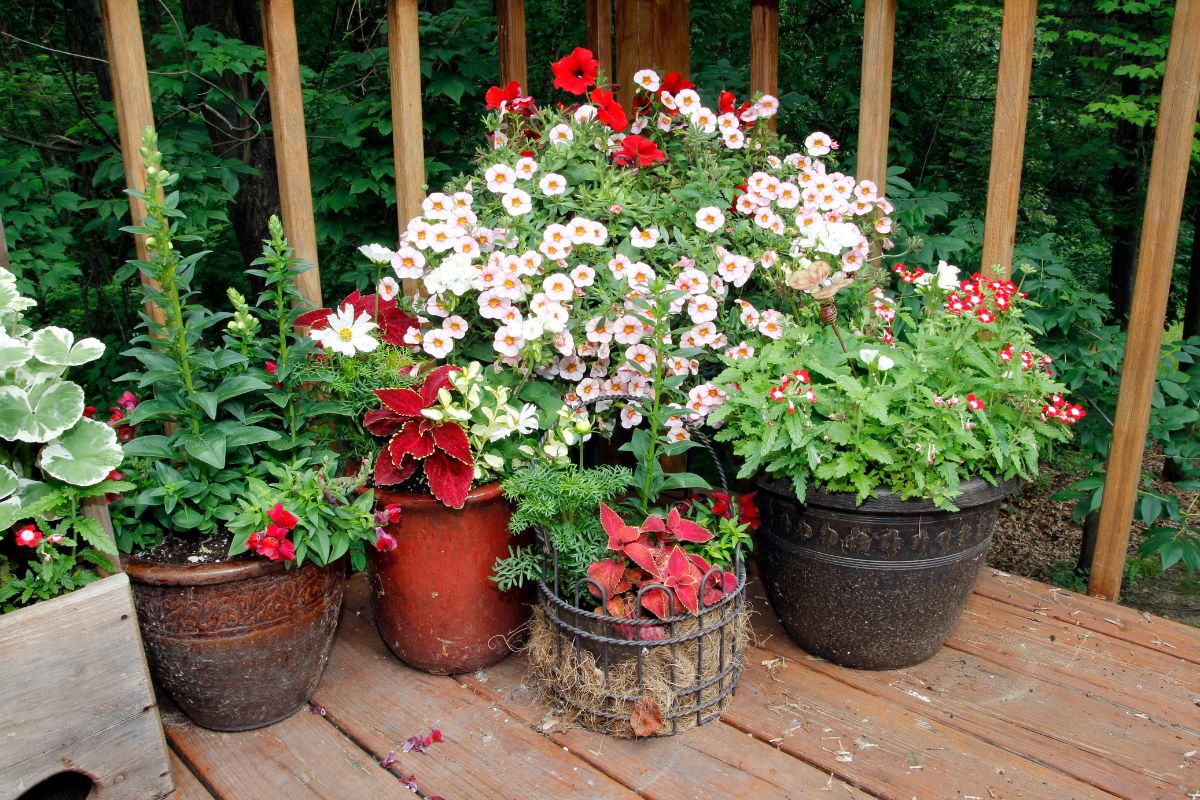
As we shake off the chill of winter, keen gardeners are eager to bring a burst of colour and life to their outdoor space. One of the easiest and most rewarding ways to do this is through container gardening. Whether you’re working with a tiny balcony, a spacious patio, or a charming cottage garden, they offer a colourful solution.
The first step to successful container gardening is choosing the right pots. There are a wide variety of materials available, including plastic, terracotta, ceramic, and metal. Each material has its own advantages:
Plastic containers are lightweight and retain moisture well, making them a great choice for busy gardeners. Terracotta is traditional and has great aesthetic appeal, but it can dry out more quickly and may crack in freezing temperatures. Ceramic pots often come in beautiful glazes but can be heavy and expensive. Metal containers are stylish but may heat up quickly in direct sunlight, potentially stressing your plants.
Next step is choosing your plants. Spring is all about fresh growth and vibrant blooms, so it’s important to select ones that thrive in the cooler spring temperatures of the UK.
Primroses and pansies are hardy flowers that add instant colour to any container, even in chilly weather. Tulip and daffodil bulbs are perfect for containers too and will bloom beautifully as the days get warmer. Sweet peas are fragrant climbing plants that will add vertical interest and a lovely scent to your spring garden. Hyacinths smell amazing too and grow in a selection of colours. If you’re keen on edible gardening, spring is a fantastic time to plant leafy greens such as lettuce and herbs in containers.
One of the best container gardening tricks is to layer your plants for maximum impact. Start by placing your tallest plants at the back of the container (or in the centre for round pots) and fill in with shorter plants in front. This creates a natural flow and prevents the container from looking overcrowded. You can also layer plants with different textures and foliage to add contrast.
A classic approach is to plant spring bulbs at the bottom, followed by annuals and perennials in the middle, and then some trailing plants like ivy or lobelia at the top to cascade over the sides.
Use the right compost
Container plants have different soil needs compared to those planted directly in the ground. It’s crucial to use a high-quality, well-draining compost or potting mix. While garden soil can be too heavy for containers, a specially formulated potting mix will help retain moisture while allowing excess water to drain away. We’ve compiled a Hildreth’s guide to choosing the right compost in case it’s helpful.
In the UK, the weather can be unpredictable, so adding a moisture-retaining gel to the soil can help prevent plants from drying out during dry spells. Be sure to regularly check the moisture level and water your plants thoroughly if the soil is dry.
Maximise sunlight
Spring weather in the UK can be temperamental, so it’s important to position your containers where they will get as much sunlight as possible. Most spring plants, including bulbs and flowers, thrive with at least four to six hours of direct sunlight each day. If you’re working with limited sun exposure, opt for shade-loving plants such as hostas or begonias.
If your garden is especially windy, consider placing containers in a sheltered spot to prevent them from toppling over or drying out too quickly.
Feed and maintain!
Just like in-ground gardens, container plants need regular feeding to keep them healthy and thriving. Choose a balanced, slow-release fertiliser or liquid plant food to provide the necessary nutrients. Apply fertiliser every two to four weeks, depending on the needs of your plants. Make it a habit to remove dead flowers (known as deadheading) and trim back leggy growth. If a plant becomes too large for its container, you may need to repot it into a larger pot to ensure it continues to grow healthily.
Don’t forget that spring container gardening is an ongoing process. As the season wraps up, be sure to empty out your containers and prepare them for next spring. You can store the pots in a dry, sheltered location over the winter months and start fresh with new soil, plants, and designs in the following season.
Are you following us on social yet? Don’t forget to sign up to our monthly newsletter and follow our socials for more news and offers.
Follow us on Instagram @hildreths.garden.centre and on Facebook @Hildreths Garden Centre