
Spring signals the arrival of various pests that can harm your plants. Here’s how to identify and manage some of the most common ones.
Aphids (Greenfly or Blackfly)
Aphids are small, sap-sucking insects that can infest a wide range of plants, including roses, vegetables, and ornamental plants. They reproduce quickly and can cause leaves to curl, yellow, or become distorted.
How to manage aphids:
- Natural predators: Encourage ladybirds, lacewing larvae, or hoverflies, which feed on aphids. You can even purchase them to release in your garden.
- Soapy water spray: Mix a solution of mild dish soap and water (about one teaspoon of soap in a litre of water) and spray it on the affected plants. Be sure to test a small area first.
- Neem oil: An organic insecticide that can deter aphids without harming beneficial insects when used correctly.
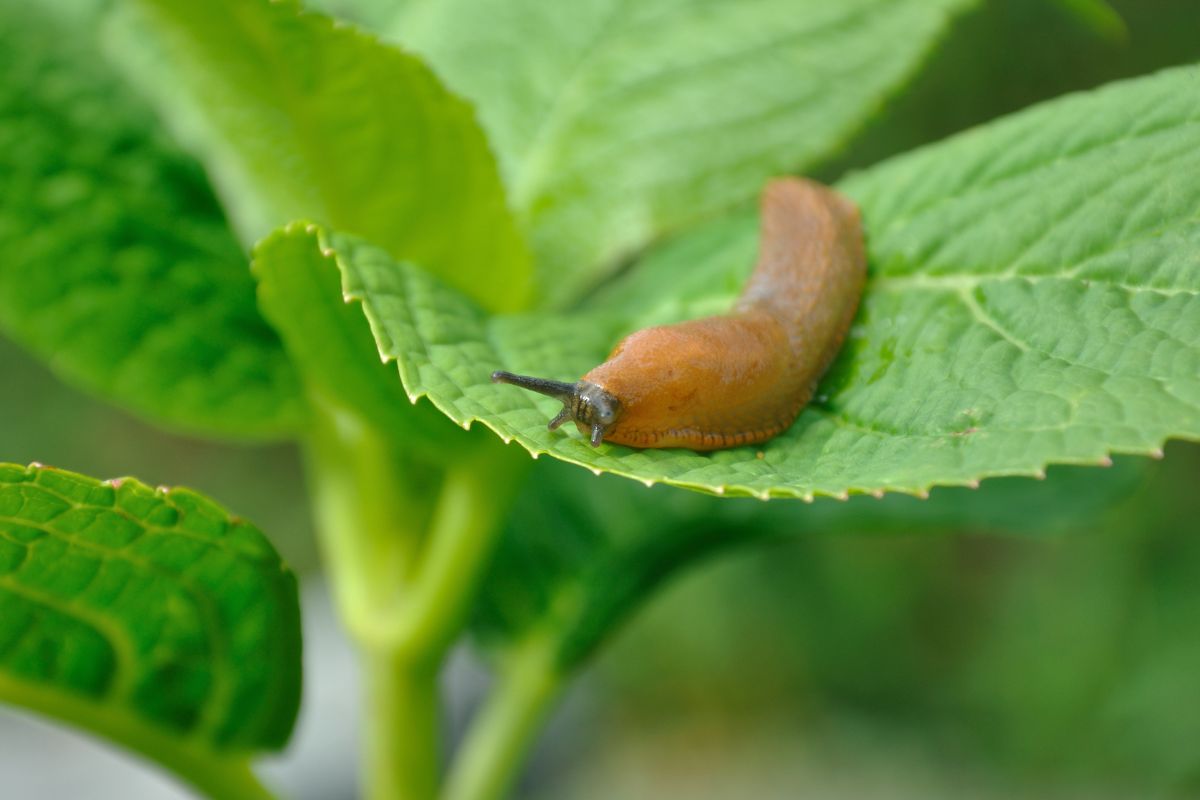
Slugs and Snails
Slugs and snails are notorious for chewing holes in tender young plants, particularly hostas, lettuces, and other leafy vegetables.
How to manage slugs and snails:
- Barriers: Create barriers around your plants using crushed eggshells, diatomaceous earth, or copper tape. These materials deter slugs and snails from crawling over them.
- Beer traps: Place shallow dishes filled with beer in your garden. Slugs are attracted to the beer, fall in, and drown.
- Hand-picking: Check your garden at night with a flashlight and remove any slugs or snails you find. Dispose of them away from the garden.
Caterpillars
Caterpillars, such as those from the cabbage white butterfly, are known for defoliating plants like cabbage, broccoli, and other brassicas.
How to manage caterpillars:
- Hand-picking: Inspect plants regularly and remove any visible caterpillars by hand.
- Netting: Use fine mesh netting to cover your crops and prevent butterflies from laying eggs.
- Natural predators: Encourage birds to visit your garden or use nematodes that target caterpillar larvae.
Spider Mites
Spider mites are tiny arachnids that cause yellowing and speckling on plant leaves. They thrive in hot, dry conditions and can rapidly spread through a garden.
How to manage spider mites:
- Increase humidity: Spider mites hate humid conditions, so increase moisture around your plants by misting them with water.
- Predatory mites: Introduce natural predators like predatory mites, which feed on spider mites.
- Neem oil or insecticidal soap: Apply neem oil or insecticidal soap to your plants to eliminate spider mites without harming the environment.
Whitefly
Whiteflies are small, winged insects that feed on the sap of plants. They are particularly common on tomatoes, strawberries, and various indoor plants, and can also spread plant diseases.
How to manage whiteflies:
- Yellow sticky traps: Place yellow sticky traps near affected plants to catch adult whiteflies.
- Insecticidal soap: Use insecticidal soap or neem oil on the undersides of leaves where whiteflies tend to cluster.
- Encourage natural predators: Introduce parasitic wasps or hoverflies, which naturally control whitefly populations.
Root Weevil
Root weevils feed on plant roots and often go unnoticed until plants begin to wilt. They can damage a wide range of plants, including rhododendrons and strawberries.
How to manage root weevils:
- Diatomaceous earth: Apply diatomaceous earth around the base of plants to create a barrier against the weevils.
- Neem oil: Apply neem oil to the soil to prevent larvae from developing.
- Remove affected plants: If you notice significant damage, consider removing and disposing of the most severely affected plants to reduce infestation.
Mealybugs
Mealybugs are soft, white, cotton-like insects that feed on plant sap. They are common in both outdoor gardens and greenhouses.
How to manage mealybugs:
- Rubbing alcohol: Dampen a cotton swab with rubbing alcohol and dab it directly on the mealybugs. This will kill them on contact.
- Insecticidal soap: Use insecticidal soap to target the pests while being safe for your plants.
- Remove heavily infested plants: If a plant is severely affected, it might be best to remove it to stop the spread.
General Tips for Pest Management:
- Encourage biodiversity: A garden that attracts a variety of insects, birds, and beneficial wildlife is less likely to become overrun by pests.
- Use companion planting: Planting certain combinations of plants (like basil near tomatoes or marigolds near cabbage) can help deter pests naturally.
- Regular inspection: Check your plants frequently, especially during the spring and early summer, to catch pest problems early.
- Healthy soil: Plants that are well-fed and properly watered are better able to resist pest attacks, so maintain soil health through composting and mulching.
Are you following us on social yet? Don’t forget to sign up to our monthly newsletter and follow our socials for more news and offers.
Follow us on Instagram @hildreths.garden.centre and on Facebook @Hildreths Garden Centre