

What can UK gardeners learn about creating more resilient gardens for the future?
After this summer of heatwaves and very dry weather, many of us have been looking at our gardens a little differently.
Lawns have turned brown. Plants that would normally get through a British summer without much fuss have needed regular watering. And while some parts of the garden have struggled, others have coped surprisingly well.
For gardeners in Buckinghamshire and the Chilterns, the weather this summer has been a reminder that our gardens can be affected dramatically by a prolonged lack of rain. While we can never predict exactly what each summer will bring, recent years have certainly given us plenty to think about.
If hot, dry spells become a more regular feature of British summers, how might our gardens need to change?
The answer probably isn’t to rip everything out and start again. In fact, one of the most useful things we can do is pay attention to what our own gardens have been telling us.
Which plants coped well? Which struggled? Where did the garden stay cool? Which borders dried out first?
This summer may have given us a few useful clues about how we can make our gardens better prepared for hot, dry weather in the future.
Look at what coped well
Before buying new plants or redesigning borders, take a look at what happened in your garden over the summer.
Every garden is different, and that’s particularly true across Buckinghamshire and the Chilterns. Soil can vary enormously from one garden to another, while slopes, exposed positions, shade and shelter all affect how quickly the ground dries out.
Something that struggled badly in one sunny border may have been perfectly happy somewhere else.
Think about the plants that continued to look good without constant watering. Did your lavender thrive? Did ornamental grasses keep going when other plants wilted? Were there certain shrubs that barely seemed to notice the dry weather?
Your own garden can tell you a great deal about what is likely to work there in the future So, rather than replacing everything, use what you’ve learned to guide your next planting choices.
Choose plants that can cope with dry weather
There are plenty of beautiful plants that can cope well with dry conditions once they are established. Lavender, salvias, sedums, verbena and many ornamental grasses are all good choices for sunny areas. Herbs such as rosemary and thyme can also thrive in warm, well-drained positions.
Plants with silvery or aromatic foliage are often worth considering too. Many have naturally adapted to hot, dry conditions and are better equipped to cope when rainfall is scarce.
That doesn’t mean every plant in the garden needs to be drought tolerant. A garden is more interesting when there’s variety. But when choosing plants for particularly sunny or dry areas, it’s worth thinking about how much water they’ll realistically need.
A plant that requires daily attention every time we have a few weeks without rain may simply not be the best choice for that particular spot.
Take inspiration from Mediterranean-style planting
There is a reason Mediterranean gardens often look so good in the heat.
Lavender, herbs, grasses and plants with silvery foliage can create a relaxed, natural look while coping well with warm, dry conditions.
That doesn’t mean trying to recreate the south of France in Buckinghamshire. Our winters are still very different, and not every plant that enjoys a Mediterranean climate will survive a cold, wet British winter!
But we can take inspiration from the way those gardens are designed.
Choosing plants suited to sunny conditions, improving drainage where necessary and using materials that help protect the soil can all make a difference. A few carefully chosen drought-tolerant plants can also bring a completely different feel to a sunny border without changing the character of the whole garden.
Create more shade where you can
After a summer like this one, shade suddenly feels much more valuable!
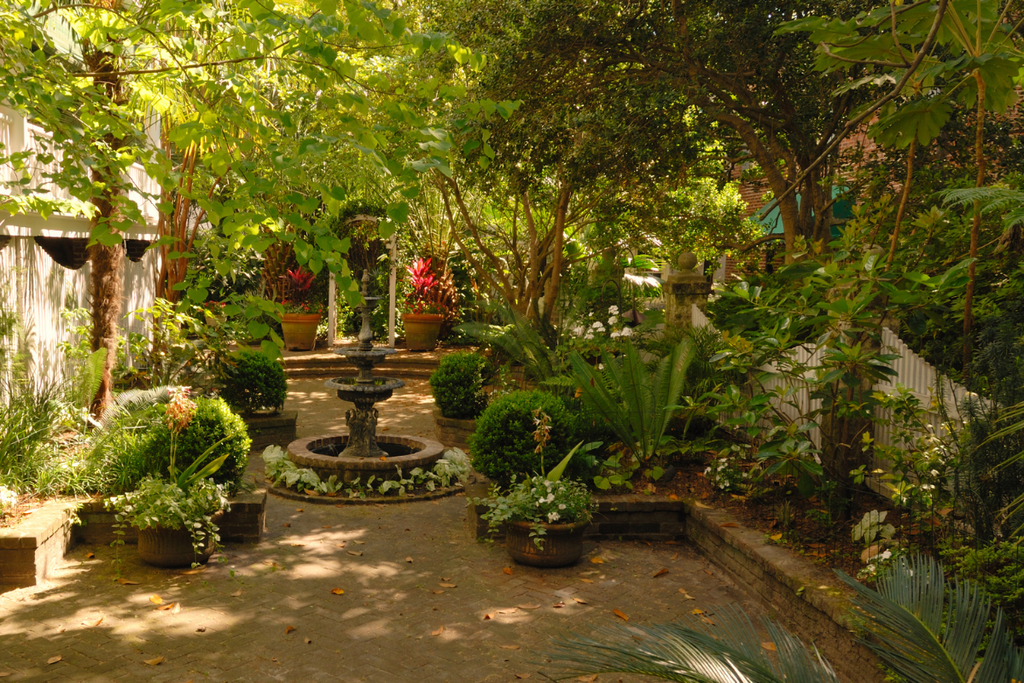
Trees, large shrubs and climbing plants can all help create cooler areas in the garden. A mature tree can provide welcome shade for people, plants and wildlife, while a pergola covered in climbers can make a sunny seating area far more comfortable.
If you’re planning changes to your garden, think about where shade might be useful in the future.
Planting a tree isn’t an instant solution, of course, but gardens are long-term projects. The tree you plant today could be providing valuable shade in ten or twenty years’ time.
Even smaller changes can help. Positioning taller plants to protect more delicate ones or using climbers to soften a particularly exposed wall can make a surprising difference.
Make the most of the rain when it arrives
After weeks without rain, it’s easy to forget just how much water can fall during a British downpour.
Collecting rainwater is one of the simplest ways to prepare your garden for dry weather. A water butt connected to a downpipe can capture a useful amount of water when it rains, ready to use when the garden needs it.
It’s also worth thinking about how you use water.
A thorough soak around the roots of plants is generally much more useful than a quick spray over everything. Watering early in the morning or later in the evening can also help reduce the amount lost through evaporation.
And not everything needs watering.
Established trees, shrubs and perennials often have deeper root systems than we realise and can be more resilient than plants growing in pots or recently planted borders.
Mulch your borders!
Mulching may not be the most exciting gardening job, but it can make a significant difference during hot, dry weather.
A layer of organic material around plants helps the soil retain moisture and reduces the amount of water lost through evaporation. It can also help suppress weeds and improve the structure of the soil over time.
Compost and other suitable organic mulches can be particularly useful around shrubs, trees and perennial borders.
Healthy soil is one of the best things you can give your garden. Soil rich in organic matter holds onto moisture more effectively, giving plants a better chance of coping when rainfall is scarce.
It’s a simple job, but one that can have benefits long after the hot weather has passed.
Don’t forget about your trees
It’s easy to assume that mature trees can simply look after themselves.
But long periods of dry weather can put trees under stress, particularly if drought conditions continue. Young and recently planted trees are especially vulnerable, although established trees can struggle too.
Where possible, young trees should be given a deep, thorough watering during prolonged dry spells rather than frequent, shallow watering.
Mulching around the base can also help the soil retain moisture. Just make sure the mulch isn’t piled directly against the trunk.
Mature trees are incredibly valuable. They provide shade, shelter and habitat, and they can take decades to replace. Looking after the trees already growing in our gardens may become increasingly important as summers become warmer.
Build a garden that is resilient – without losing what you love
The good news is that preparing a garden for hotter, drier summers doesn’t mean giving up the kind of garden you love.
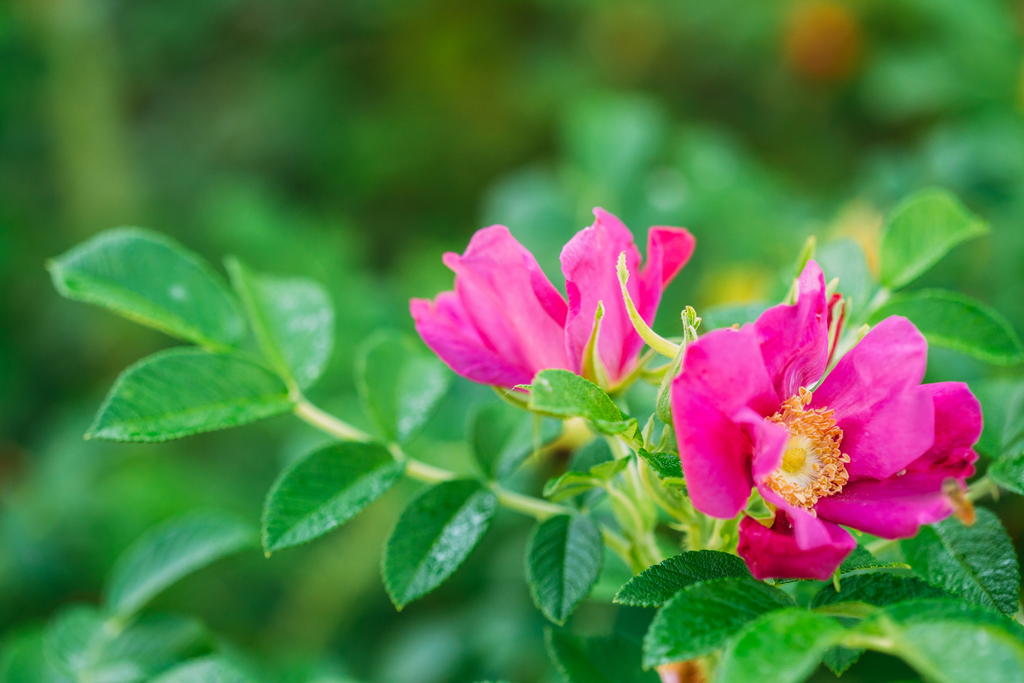
A resilient garden can still be full of colour, scent and wildlife. It can have roses and perennials, trees and shrubs, herbs and flowers for pollinators.
The difference may simply be that we’re becoming more thoughtful about what we plant and where we plant it.
Choosing the right plant for the right place. Improving the soil. Making better use of water. Creating shade. Looking after established trees.
These are all things gardeners have always done. We may simply find ourselves doing them with a little more thought about what future summers might bring.
Gardens have always changed with the seasons and the weather. Perhaps the lesson from this summer is that we need to be prepared to change with them.
And that doesn’t have to be a bad thing. Gardening is, after all, about learning as you go!
Are you following us on social yet? Catch more news and tips there! And don’t forget to sign up to our monthly newsletter and follow our socials for more news and offers.
Follow us on Instagram @hildreths.garden.centre on Facebook @Hildreths Garden Centre and TikTok @hildreths.gc
Shop our BBQs and premium garden furniture online at www.garden-space.co.uk
If you have time, please leave us a Google Review here. We’re independent and family-run so we’d really appreciate it.